Pregnancy is a beautiful experience of hopes, dreams, and future plans. However, for some women, this journey requires extra care and closer monitoring. You may have heard doctors say the words, “This is a high-risk pregnancy.” But what do they really mean?
Today, let’s simplify this complex term so you can know, prepare, and take charge of your pregnancy confidently.
What is a High-Risk Pregnancy?
A high-risk pregnancy happens when there are certain health problems or circumstances that increase the chances of things going wrong for the mother, baby, or both during pregnancy, labor, or after delivery.
But high-risk does not mean something will definitely go wrong.
It simply means your physician will monitor you a bit more closely to ensure you and your baby stay healthy.
Who is More Likely to Experience a High-Risk Pregnancy?
The following are common factors that can label a pregnancy as high-risk:
1. Maternal Age
Less than 17 years or greater than 35 years: Women under 17 or over 35 years of age are at higher risk of pregnancy complications like premature delivery, high blood pressure, or genetic disorders in the baby.
2. Underlying Health Conditions
- Diabetes: Can affect fetal growth and cause delivery complications.
- Hypertension: Can predispose to preeclampsia and interfere with placental health.
- Thyroid disease: Can affect the baby’s brain development if not treated.
- Heart, kidney, or autoimmune diseases: Need specialist management during pregnancy.
3. Pregnancy Conditions
Sometimes there are problems with pregnancy, making it high-risk, including:
- Gestational diabetes: High blood glucose levels can increase during pregnancy.
- Preeclampsia: High blood pressure with risk of organ damage, usually occurring after 20 weeks.
- Placenta previa: Placenta covering the cervix, causing bleeding risks.
- Preterm labor: Labor that starts before 37 weeks.
4. Multiple Pregnancies
Pregnancy with twins, triplets, or more carries higher risks of preterm delivery, gestational hypertension, and delivery complications.
5. Lifestyle Factors
Smoking, alcohol, or drug consumption: Risks birth defects, low birth weight, and learning difficulties.
How is a High-Risk Pregnancy Managed?
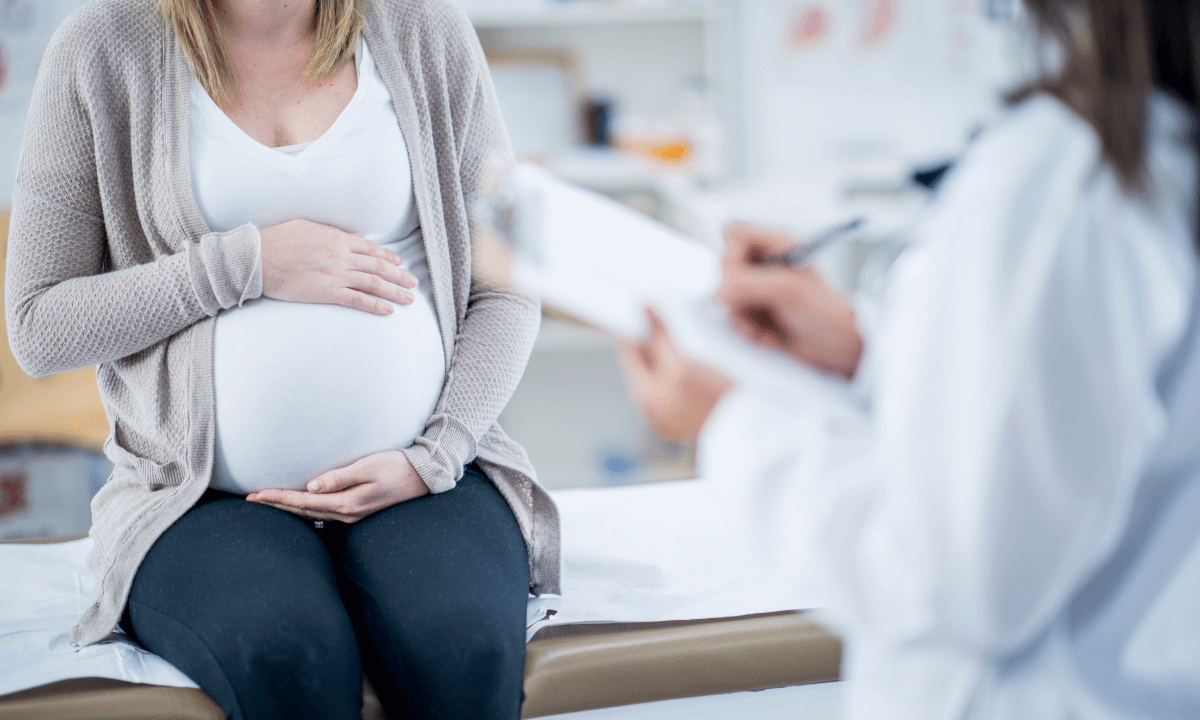
If your doctor informs you that you have a high-risk pregnancy, do not worry. Instead, ask questions and remain informed. Here is what to expect:
- Increased Prenatal Office Visits: Regular follow-up enables the detection and management of complications early on.
- Special Tests and Scans: You may need extra ultrasounds, foetal monitoring, or blood work to check the baby’s development and your medical parameters.
- Specialist Consultations: Your gynaecologist can also include endocrinologists, cardiologists, or neonatologists as per your condition for overall treatment.
- Medication if required: Such as insulin for gestational diabetes or blood pressure medication for hypertension.
- Lifestyle Modifications: Your doctor can suggest dietary changes, cessation of smoking, mild exercise, and proper rest to make your pregnancy safer.
- Planning for Early Delivery Might Be Possible: In some cases, your physicians may recommend premature delivery by induction or C-section for your and your baby’s protection.
Interactive Self-Check: Is My Pregnancy High-Risk?
While only your doctor can accurately diagnose this, here is a rapid self-check:
- Are you more than 35 years old or less than 17 years old?
- Do you have diabetes, high blood pressure, or thyroid disorders?
- Are you carrying twins or triplets?
- Have you been notified about placenta previa or preeclampsia?
- Do you consume alcohol or smoke during pregnancy?
If you answered yes to either of them, take advice from your gynaecologist about the risk level and management plan.
Read Also:
FAQs on High-Risk Pregnancy
Q. Can I deliver normally if my pregnancy is high-risk?
Depending on your condition and baby’s health, your doctor will decide the safest delivery mode. The majority of high-risk pregnancies lead to normal deliveries.
Q. Will my baby have complications at birth if my pregnancy is high-risk?
A high-risk pregnancy simply means extra monitoring will be needed. The majority of women deliver healthy babies with regular care.
Q. How can I reduce risks during my pregnancy?
Attend all prenatal visits, take medication as prescribed, eat a healthy diet, exercise as directed, and do not smoke or drink.
Q. Do I need to consult a specialist?
Yes, if your doctor recommends it. For example, endocrinologists for diabetic management or cardiologists for heart issues during pregnancy.
Final Thoughts
High-risk pregnancy does not mean anything is wrong with you or the baby. It simply means that your doctor prefers to keep you under closer observation to avoid anything from occurring to either of you.
Millions of women at high risk of pregnancy deliver healthy children every year under appropriate care, awareness, and timely treatment.
High-risk pregnancy? Trust Dr. Parima Dixit’s 15+ years of expert care for a safe and healthy journey. Book your consultation today!