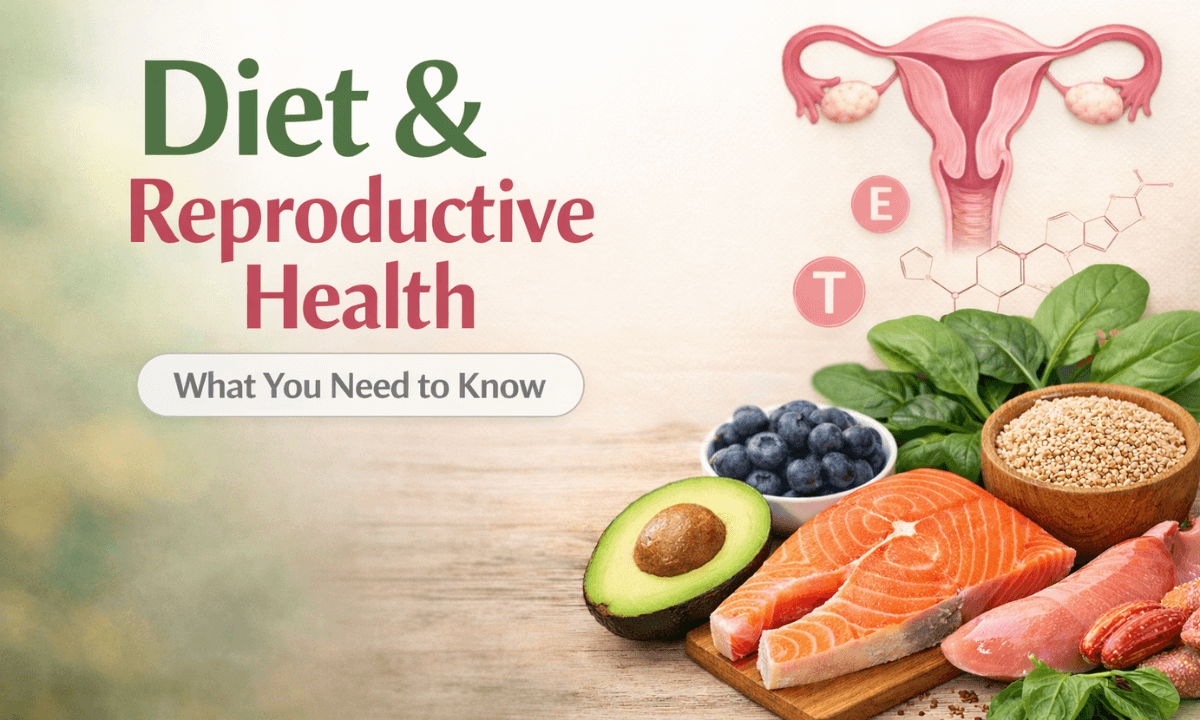
Understanding the vital link between diet and reproductive health is often the first step toward long-term wellness. We often hear the phrase “you are what you eat,” but usually, it’s in the context of fitting into a pair of jeans or managing energy levels. However, as medical science advances, we are discovering that the kitchen might be just as important as the clinic when it comes to reproductive health. The connection between diet and fertility is no longer just a theory; it is a foundational pillar of modern gynaecological care.
Whether you are navigating the complexities of PCOS, preparing for pregnancy, or simply trying to balance your hormones, your diet plays a silent but starring role. For patients of Dr. Parima Dixit, a leading gynecologist and laparoscopic surgeon in Gurgaon, understanding the link between diet and fertility is often the first step toward long-term wellness and successful family planning.
Let’s dive into the science-backed reality of how nutrition impacts your reproductive system, without the fluff or the “miracle cure” myths.
The Hormonal Orchestra: How Diet and Reproductive Health are Linked
Think of your endocrine system as an orchestra. Estrogen, progesterone, testosterone, and insulin are the instruments. When they play in harmony, your reproductive cycle is regular, and your fertility is at its peak. But when one instrument goes out of tune—often due to poor nutrition—the whole symphony falls apart.
The Insulin Connection
One of the biggest culprits in reproductive dysfunction is insulin resistance. When we consume high amounts of refined sugars and processed carbs, our bodies pump out extra insulin. This doesn’t just impact blood sugar; it tells the ovaries to produce more testosterone.As Dr. Parima Dixit explains in her insightful video on PCOS, even in teenage girls, hormonal imbalances can manifest as irregular periods or excessive hair growth (hirsutism) long before physical cysts appear on an ultrasound. Managing insulin through diet is often the primary “medicine” for stabilizing these hormones.
1. The Power of Macronutrients: Quality Over Quantity
It isn’t just about “eating less.” It’s about eating right. Your reproductive organs require specific building blocks to function.
Healthy Fats: The Hormone Builders
Your hormones are literally made from cholesterol and fats. If you’re on a “no-fat” diet, you’re essentially starving your reproductive system of its raw materials.
- The Good Guys: Omega-3 fatty acids found in walnuts, flaxseeds, and fatty fish help reduce inflammation and improve egg quality.
- The Villains: Trans fats (often found in fried fast foods) have been linked to an increased risk of ovulatory infertility.
Complex Carbohydrates vs. Simple Sugars
While simple sugars cause those dreaded insulin spikes, complex carbs like whole grains, quinoa, and sweet potatoes provide a slow release of energy. This keeps your hormones steady and prevents the “crash and burn” cycle that can disrupt ovulation.
2. Micronutrients: The “Secret Sauce” for Better Diet and Fertility
While we focus on calories, your ovaries are focusing on minerals. Several key nutrients act as catalysts for reproductive health:
- Folic Acid (B9): Essential for preventing neural tube defects and supporting egg maturation.
- Zinc and Selenium: Crucial for hormone production and protecting eggs from oxidative stress.
Iron: Non-heme iron (found in spinach, lentils, and beans) has been shown to lower the risk of ovulatory infertility.
3. Targeted Interventions: Diet and Reproductive Health for Specific Conditions
Dietary choices aren’t just “general advice”; they are targeted interventions for specific gynecological conditions.
Managing PCOS (Polycystic Ovary Syndrome)
PCOS is a metabolic-reproductive hybrid. A low-glycemic index (GI) diet is often recommended to manage the insulin spikes we mentioned earlier. By choosing foods that digest slowly, you can reduce the androgen levels that cause acne and irregular cycles.
Soothing Endometriosis
Endometriosis is an inflammatory condition. An anti-inflammatory diet—rich in leafy greens, berries, and turmeric—can help manage the chronic pelvic pain associated with the condition. Reducing red meat and high-fat dairy has also shown promise in lowering estrogen levels, which can “feed” endometrial growth.
The “Human” Side of Eating: Why Balance Beats Perfection
Let’s be real for a second. If someone tells you that you can never eat a slice of cake again, you’re probably going to want that cake more than anything else in the world.
Reproductive health isn’t about restriction; it’s about resilience. A healthy reproductive system can handle the occasional treat. The goal is to make the foundation of your diet solid. Stressing over every calorie can actually raise cortisol levels, which—ironically—can shut down your reproductive system just as much as a bad diet can.
4. The Role of Weight in Diet and Reproductive Health
As a laparoscopic surgeon in Gurgaon, Dr. Parima Dixit often sees how weight extremes—both underweight and overweight—can impact surgical outcomes and fertility.
- Adipose Tissue (Fat): Fat cells aren’t just storage; they are active endocrine organs that produce estrogen. Too much fat can lead to “estrogen dominance,” while too little can lead to “amenorrhea” (the absence of periods).
- The 5% Rule: Research suggests that for individuals with PCOS, losing even 5% of body weight through a structured diet can restore regular ovulation.
Read More:
- Natural Tips to Increase Your Pregnancy Chances
- What are the risks of untreated PCOS
- What is the Normal Duration of a Menstrual Cycle
- What Are the Causes of White Discharge?
5. Environmental Toxins and Your Diet
It’s not just what’s in the food, but what’s on it. Endocrine Disrupting Chemicals (EDCs) like BPA in plastic containers or certain pesticides can mimic hormones in the body.
- Pro Tip: Switch to glass or stainless steel containers and wash your produce thoroughly. It sounds like small “mom advice,” but your endocrine system will thank you.
Expert Insight: Why Medical Guidance Matters
While diet is powerful, it is one piece of the puzzle. Conditions like blocked fallopian tubes, large fibroids, or severe endometriosis often require the expertise of a laparoscopic surgeon.
If you are in Gurgaon or the NCR region, consulting with a specialist like Dr. Parima Dixit ensures that you aren’t just “eating healthy” but are also receiving the necessary diagnostic care. Sometimes, an irregular period isn’t just about the pizza you had last night; it could be a sign of a deeper issue that requires medical or surgical intervention.
Actionable Takeaways for Your Plate
- Hydrate: Water is essential for cervical mucus production and blood flow to the uterus.
- Fiber is Your Friend: Fiber helps your body “poop out” excess estrogen. Yes, we said it. It’s vital for hormonal clearance!
- Protein Diversity: Mix animal proteins with plant proteins (beans, lentils) to reduce the risk of ovulatory issues.
- Watch the Video: For a deeper look at how these issues start early in life, check out Dr. Parima’s explanation on adolescent PCOS.
Conclusion
The link between diet and reproductive health is undeniable. By choosing whole, nutrient-dense foods, you are essentially providing your body with the tools it needs to maintain hormonal balance and fertility.
However, remember that every body is unique. What works for one person might not work for another. If you’ve been struggling with reproductive issues, don’t just rely on internet “hacks.” Seek professional advice from a trusted gynecologist in Gurgaon.
Your journey to better reproductive health starts at the grocery store, but it’s guided by expert clinical care. Eat well, stay informed, and listen to what your body is trying to tell you.
Sources & References:
- Harvard T.H. Chan School of Public Health – The Fertility Diet.
- Journal of Clinical Endocrinology & Metabolism – Impact of Nutrition on PCOS.
- World Health Organization (WHO) Guidelines on Reproductive Nutrition.