Endometriosis is a chronic and often painful gynecological condition that affects an estimated 1 in 10 women and individuals assigned female at birth during their reproductive years. Despite its prevalence, it remains widely misunderstood and frequently underdiagnosed, with many suffering for years without a clear answer. This guide provides an evidence-based, comprehensive look at the potential causes, common symptoms, and the spectrum of modern treatments available today. Understanding this condition is the first, crucial step toward effective management and reclaiming your quality of life.
What is Endometriosis?
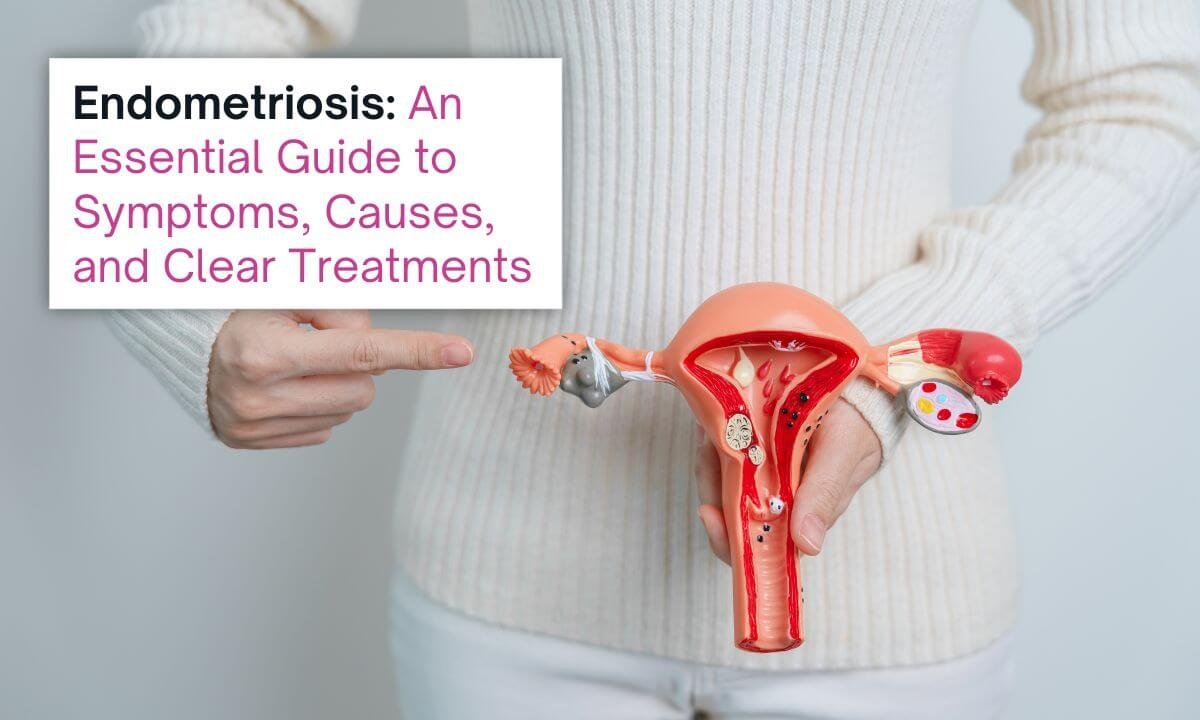
To fully understand endometriosis, it is important to first understand the role and function of the endometrium, which is the specialized tissue lining the interior of the uterus. This tissue plays a crucial role in the reproductive system: each month, under the influence of hormones, it thickens in anticipation of a potential pregnancy, creating an environment where a fertilized egg could implant and grow. If pregnancy does not occur, the endometrial lining naturally breaks down and is expelled from the body during menstruation. Endometriosis arises when tissue that is very similar to this normal endometrial lining begins to grow outside the uterine cavity, in locations where it does not belong. These abnormal growths, often referred to as lesions or implants, can develop on various reproductive and pelvic structures, including the ovaries, fallopian tubes, the outer surface of the uterus, the bladder, the bowel, and even other regions of the pelvic cavity. Like the healthy endometrium inside the uterus, these ectopic growths respond to the hormonal changes of the menstrual cycle—they thicken, break down, and bleed in synchrony with menstruation. However, unlike the endometrial tissue within the uterus, this displaced tissue has no natural way to leave the body. The trapped blood and tissue trigger inflammation in the surrounding areas, leading to the formation of scar tissue, adhesions, and nodules that can tether pelvic organs together. Over time, this ongoing inflammatory process can result in chronic pelvic pain, digestive or urinary symptoms, and, in some cases, complications with fertility. The invisible and insidious nature of this tissue growth is why endometriosis is often underdiagnosed, leaving many individuals to suffer from severe discomfort, fatigue, and other systemic symptoms before receiving proper medical evaluation. Understanding how and why this tissue behaves abnormally is the first step toward effective management, treatment, and relief for those affected by this complex gynecological condition.
The Potential Causes of Endometriosis
While the exact cause of endometriosis remains an area of active research, several leading theories help explain its development. It is likely that a combination of factors contributes to the condition.
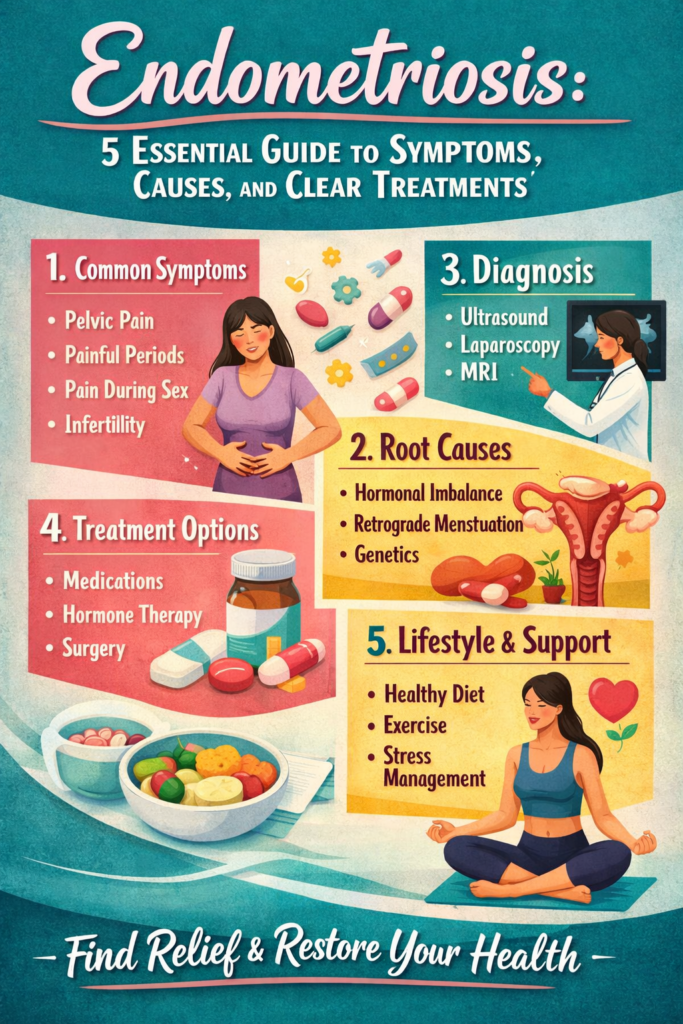
- Retrograde Menstruation: This is one of the oldest and most widely accepted theories. It suggests that during menstruation, some menstrual fluid containing endometrial cells flows backward through the fallopian tubes and into the pelvic cavity instead of exiting the body. These displaced cells then implant on pelvic organs and grow. However, since retrograde menstruation is common in many people who do not develop endometriosis, other factors must be involved.
- Genetic Factors: Endometriosis often runs in families. If your mother or sister has it, your risk is significantly higher. Researchers are studying specific genetic markers that may predispose individuals to the condition, making them more susceptible to the implantation and growth of endometrial-like tissue.
- Immune System Dysfunction: A compromised or dysfunctional immune system may fail to recognize and destroy the misplaced endometrial tissue growing outside the uterus. This allows the lesions to establish themselves, grow, and cause inflammation.
- Hormonal Influence: Endometriosis is an estrogen-dependent condition. The growths thrive on the hormone estrogen, which fuels their inflammation and bleeding. This is why symptoms are often closely tied to the menstrual cycle.
- Other Theories: Other potential mechanisms include “coelomic metaplasia,” where cells lining the pelvic organs transform into endometrial-like cells, and the possibility of endometrial cells traveling through blood vessels or the lymphatic system to other parts of the body.
Recognizing the Symptoms of Endometriosis
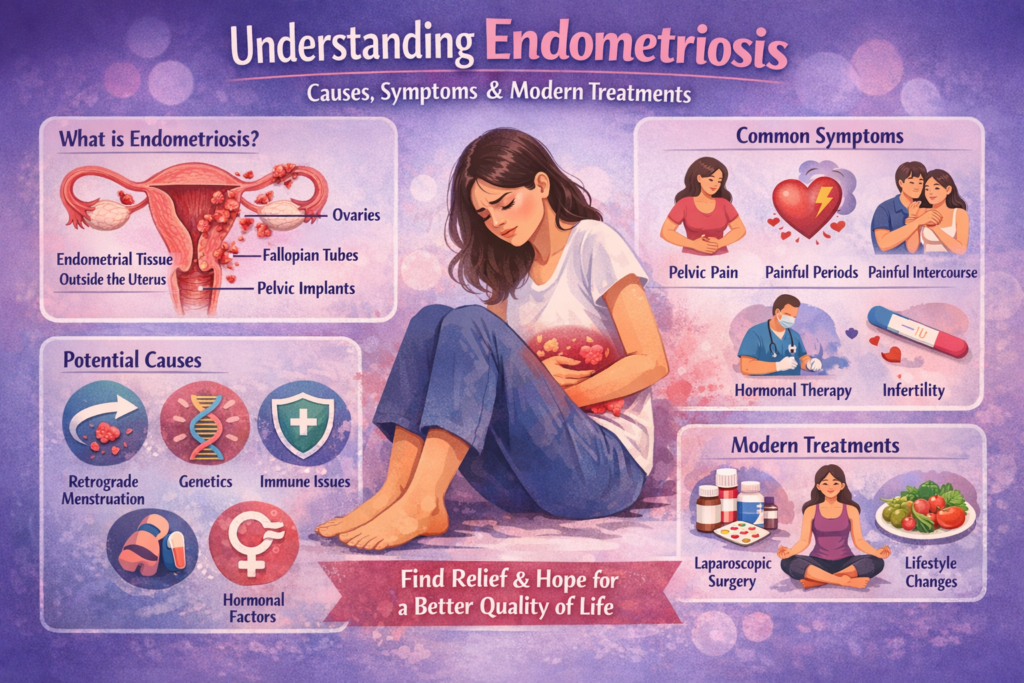
The symptoms of endometriosis can vary dramatically from person to person in both type and severity. Some individuals with extensive lesions experience minimal pain, while others with minimal visible disease have debilitating symptoms. The most common signs include:
- Pelvic Pain: This is the most hallmark symptom. The pain is typically cyclical, worsening before and during menstruation (dysmenorrhea), but it can also become chronic and persistent.
- Painful Intercourse (Dyspareunia): Deep pain during or after sex is common and can be a significant indicator.
- Pain with Bowel Movements or Urination: This often occurs during menstrual periods and can indicate implants on the bowel or bladder.
- Excessive Menstrual Bleeding: Experiencing heavy periods (menorrhagia) or bleeding between periods (menometrorrhagia).
- Infertility: For some, infertility is the first and only sign of endometriosis. The inflammation and scarring can damage the ovaries and fallopian tubes, impairing egg release, fertilization, and implantation.
- Other Symptoms: Fatigue, bloating (often termed “endo belly”), nausea, and digestive issues like diarrhea or constipation, especially around menstruation.
Important Note: Painful periods are NOT normal. Severe pain that interferes with your daily life is a signal from your body that should never be ignored.
The Path to Diagnosis: More Than Just Pain
Diagnosing endometriosis can be challenging, as its symptoms overlap with other conditions like irritable bowel syndrome (IBS) or pelvic inflammatory disease. A detailed discussion of your symptoms and medical history is the starting point.
- Pelvic Exam: A doctor may feel for cysts or scars behind the uterus.
- Imaging Tests: A transvaginal ultrasound or MRI can help identify larger endometriomas (cysts on the ovaries) or deep infiltrating endometriosis, but they cannot rule out the disease entirely.
- Laparoscopy: This minimally invasive surgical procedure remains the gold standard for diagnosis. A surgeon inserts a small camera through a tiny abdominal incision to visually confirm the presence, location, and extent of endometrial implants. Tissue samples (biopsies) are often taken for definitive confirmation.
If you are experiencing symptoms, seeking evaluation from a specialist is crucial. For expert gynecological care, consider consulting resources like the compassionate team at Dr. Parima Dixit’s Practice, which specializes in women’s health and complex conditions.
Modern Treatment Options for Endometriosis
There is currently no absolute cure for endometriosis, but highly effective treatments can manage pain, slow growth, improve fertility, and prevent the condition from progressing. Treatment is highly personalized, based on symptom severity, fertility goals, and patient preference.
1. Pain Medication
For mild symptoms, over-the-counter nonsteroidal anti-inflammatory drugs (NSAIDs) like ibuprofen or naproxen can help reduce inflammation and pain.
2. Hormonal Therapies
The goal of hormonal treatment is to reduce or eliminate menstruation, thereby suppressing the estrogen that fuels endometrial growths.
- Hormonal Contraceptives: Birth control pills, patches, or vaginal rings (often taken continuously to skip periods) can lighter periods and reduce pain.
- Progestin Therapy: This includes intrauterine devices (IUDs), implants, injections, or pills. Progestin thins the endometrial lining and can cause lesion atrophy.
- GnRH Agonists/Antagonists: These drugs induce a temporary, medication-induced menopause, dramatically lowering estrogen levels. They are typically used for short-term management due to side effects like bone density loss.
3. Surgical Treatment
Surgery is considered for severe pain, infertility, or when other treatments fail.
- Conservative/Laparoscopic Surgery: The surgeon excises or destroys (ablates) endometrial implants and removes scar tissue and cysts while preserving the uterus and ovaries. This can provide significant pain relief and improve fertility prospects. According to the American College of Obstetricians and Gynecologists, laparoscopic excision is often the preferred surgical approach.
- Hysterectomy: Removal of the uterus, sometimes with the ovaries, is considered a last resort for those who have completed their family and have not found relief from other treatments. It is not a guaranteed cure, as endometriosis can recur if implants remain.
4. Complementary and Lifestyle Approaches
- Diet and Nutrition: An anti-inflammatory diet (rich in omega-3s, fruits, vegetables) may help some manage symptoms.
- Physical Therapy: Pelvic floor physical therapy can be remarkably effective in relieving pelvic pain, muscle spasms, and pain with intercourse.
- Mind-Body Techniques: Stress management, yoga, and acupuncture can support overall well-being and pain coping mechanisms.
Conclusion: Empowerment Through Knowledge
Endometriosis is a complex condition, but it is manageable. The journey often starts with recognizing that your pain is valid and seeking answers. By understanding the potential causes and wide-ranging symptoms, you can advocate more effectively for yourself in a healthcare setting. Today’s modern treatments—from advanced hormonal options to precision laparoscopic surgery—offer real hope for pain relief and improved fertility.
If this information resonates with your experience, take the next step. Document your symptoms, seek a knowledgeable healthcare provider, and explore a tailored treatment plan. Living well with endometriosis is not just possible; it is the goal of modern, compassionate care.