Chinese Food While Pregnant often raises many questions, especially as pregnancy brings noticeable changes to your sleep, appetite, and overall relationship with food. Dishes you once enjoyed without a second thought may now come with hesitation and doubt. Chinese food, in particular, tends to sit high on the list of foods that expectant mothers question the most.
Friends warn you of MSG. Family WhatsApp groups revive old stories. Google provides a variety of answers. Confusion feels unavoidable.
The truth is more straightforward than what is being reported. The most common fears regarding Chinese food and pregnancy stem from old belief systems, not scientific research. Let’s distinguish fact from fiction, and let you enjoy your food without anxiety.
If you’re looking for reliable, doctor-backed pregnancy nutrition guidance, resources from a trusted gynaecology platform like Dr. Parima dixit
can help you make informed choices instead of guessing.
“The Quick Answer” (Backed with Science)
It is true that you are able to consume Chinese food while pregnant.
Food additives such as MSG (monosodium glutamate) are classified as “Generally Recognized as safe (GRAS)” according to the U.S. Food and Drug Administration (FDA) when used in normal quantities.
In accordance with the FDA, MSG does not cause birth problems, pregnancy complications, or harm to fetus when consumed as a part of a daily diet. This advice is applicable to pregnant women, too.
Source:
What is the reason Chinese food gets a bad Reputation
Chinese food became controversial when the phrase “Chinese restaurant syndrome” appeared in the 1960s. Initial reports of anecdotal evidence claimed that MSG for headaches and discomfort.
Then, controlled clinical studies were unable to replicate this effect consistently. Medical science evolved but the myth remained well-known.
When pregnant, fear is spread quicker than actual facts. Uncertainty is a feeling that can be dangerous even without proof.
Source:
- Harvard Health Publishing – MSG and health
https://www.health.harvard.edu/staying-healthy/monosodium-glutamate-msg-what-is-it-and-is-it-bad-for-you
Myth vs. Fact: Getting rid of the Confussion
| Myth | The truth |
| MSG can harm the baby | No evidence from science supports this. |
| Chinese food is a cause of birth defects | There is no medical authority to confirm this. |
| MSG is not safe during pregnancy. | FDA declares it safe when taken in moderate amounts |
| All Chinese food items should be not eaten | Balance is more important than eliminating |
Even platforms for parenting such as FirstCry confirm that MSG isn’t the risk of pregnancy when consumed regularly.
Source:
- FirstCry Parenting – MSG During Pregnancy
https://parenting.firstcry.com/articles/is-msg-safe-during-pregnancy/
The issue isn’t MSG It’s Sodium
This is the part that many reports don’t cover.
The biggest issue for the restaurant-style Chinese dishes is the high sodium but not MSG.
A variety of dishes are made using:
- Soy sauce
- Processed sauces
- Pickled ingredients
- Fried bases
The excess sodium can be a contributing factor to:
- Water retention
- Swelling (edema)
- Variations in blood pressure
Pregnant women already have more fluids, and an excess of sodium can cause discomfort.
This is equally true for pizza and hamburgers, instant noodles and even packaged snacks.
Sources:
MSG vs. Salt: Why They’re Not the Same
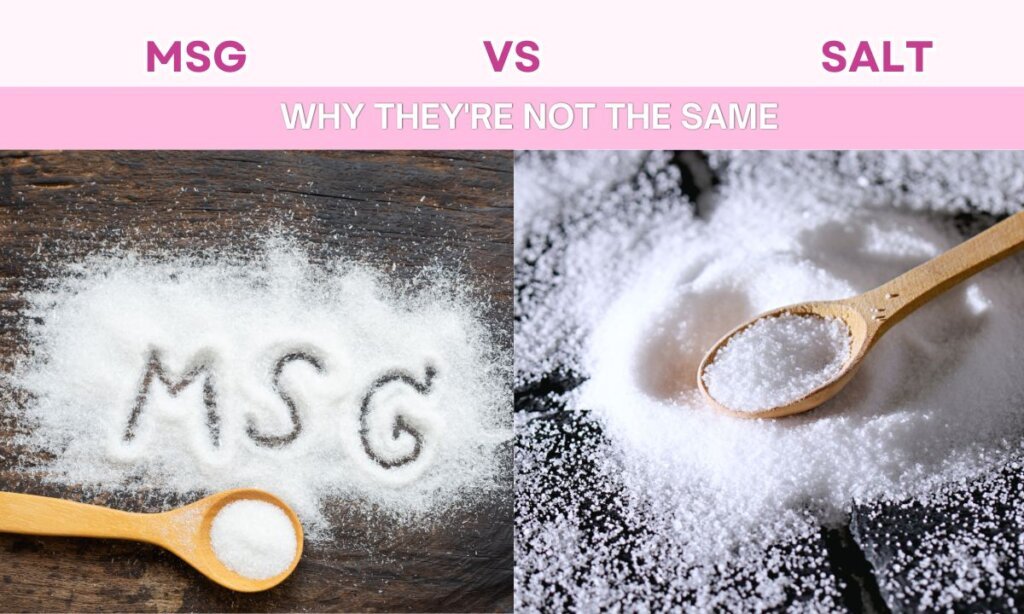
MSG and salt can be confused, however they are distinct.
MSG is a source of lower amounts of sodium than table salt. Studies conducted at Harvard suggests that MSG can actually aid in reducing the amount of sodium consumed in place of salt.
The idea of blaming MSG for the overdose of sodium ignores the basics of chemical principles.
Source:
- Harvard T.H. Chan School of Public Health – MSG
https://www.hsph.harvard.edu/nutritionsource/food-features/msg/
Can I eat Ramen, Noodles, and Indo-Chinese Food?
But moderation is key.
Street-style and instant noodles Chinese food items typically contain:
- In excess sodium
- Refined oils
- Preservatives
Consumption on occasion is safe for healthy pregnancy. Consuming a daily dose of alcohol does not provide an optimal diet.
For women who follow an all-vegetarian or plant-based diet, combining Chinese meals along with a balanced prenatal diet ensures adequate nutrition. You may find this guide helpful:
Vegetarian Pregnancy Diet: Getting enough protein without meat
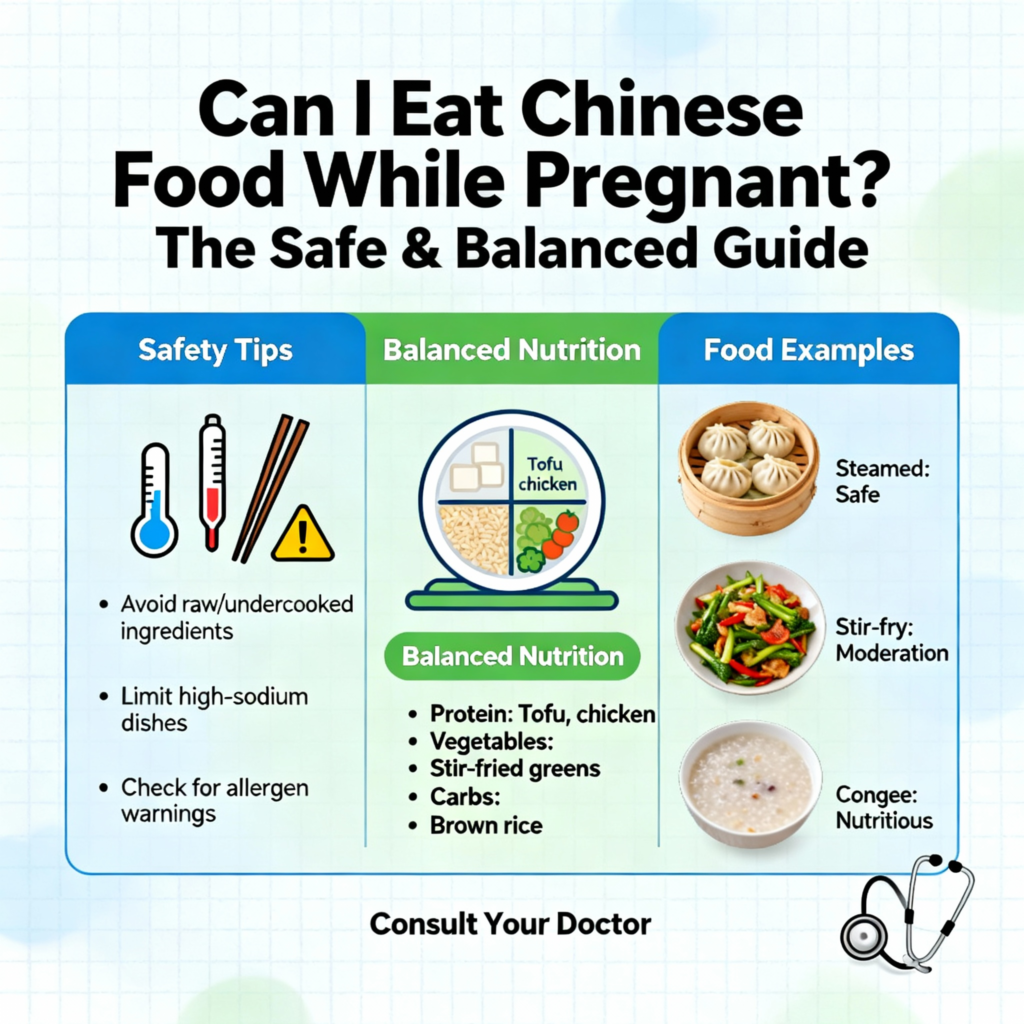
Smart Choices for Eating Chinese Food While Pregnant
There is no need to curb your cravings. Just manage them with care.
Select Fully Cooked Foods
Food safety is more important than the type of food you choose to eat.
Freshly cooked, hot meals
Stir-fried or steamed vegetables
Chicken that is cooked well or tofu
Avoid food that is raw or uncooked regardless of the cuisine.
Include protein and vegetables.
Many Chinese dishes are:
- Bok choy
- Mushrooms
- Bell peppers
- Tofu
- Lean meats
These ingredients help with fiber intake as well as protein requirements, which aids in digestion during pregnancy.
Ask for more vegetables. Most restaurants are willing to adjust.
Watch the Portion Size
More sodium in large portions.
A simple strategy:
- Eat half a cup of food
- Save half
- Combine with plain rice
This helps digestion and avoids excessive salt intake.
Control Sauces
Sauces conceal the bulk of the sodium.
You can ask for:
- Light soy sauce
- Sauce served on the side
- Salt options reduced
These little changes can ensure your health and avoid losing flavor.
Is Homemade Chinese Food Better During Pregnancy?
Yes, you can control:
- Salt levels
- Oil quality
- Ingredient freshness
Stir-fries made from scratch and soups are a great source of taste and nutrition with better balance along with peace of head.
What do medical Guidelines Have to Say?
Large organizations such as ACOG or ACOG and NHS are not able to restrict Chinese foods during pregnancy.
They advise:
- Nutrition that is balanced
- Safe food handling
- Moderation
- Medical evaluation for an individual
Women who suffer from excessive blood pressure, or other pregnancy-related issues must follow a medically-specific plan of action.
When is the best time to be extra Beware?
Beware of food items If:
- It’s a strange smell
- It’s not cooked enough.
- Hygiene seems poor
- Storage conditions aren’t clear.
This rule is applicable to all types of cuisines.
Emotional Food and Pregnancy
Food affects mood. The hormonal sensitivity of pregnant women increases.
Avoiding food for a strict period of time can cause anxiety and guilt. A balanced enjoyment promotes mental wellbeing which is important for maternal health.
A calm, educated approach is more effective than anxiety.
Conclusion: Have Fun Chinese Food Without Fear
Chinese cuisine is safe for pregnant women when consumed in moderation.
Science confirms this. Medical institutions confirm this. The problem is really sodium rather than MSG falsehoods.
Pick fresh, well-cooked and healthy meals. Add vegetables. Take care to limit portions. Consult your physician if you need to.
Food should be nourishing, not scare you.