
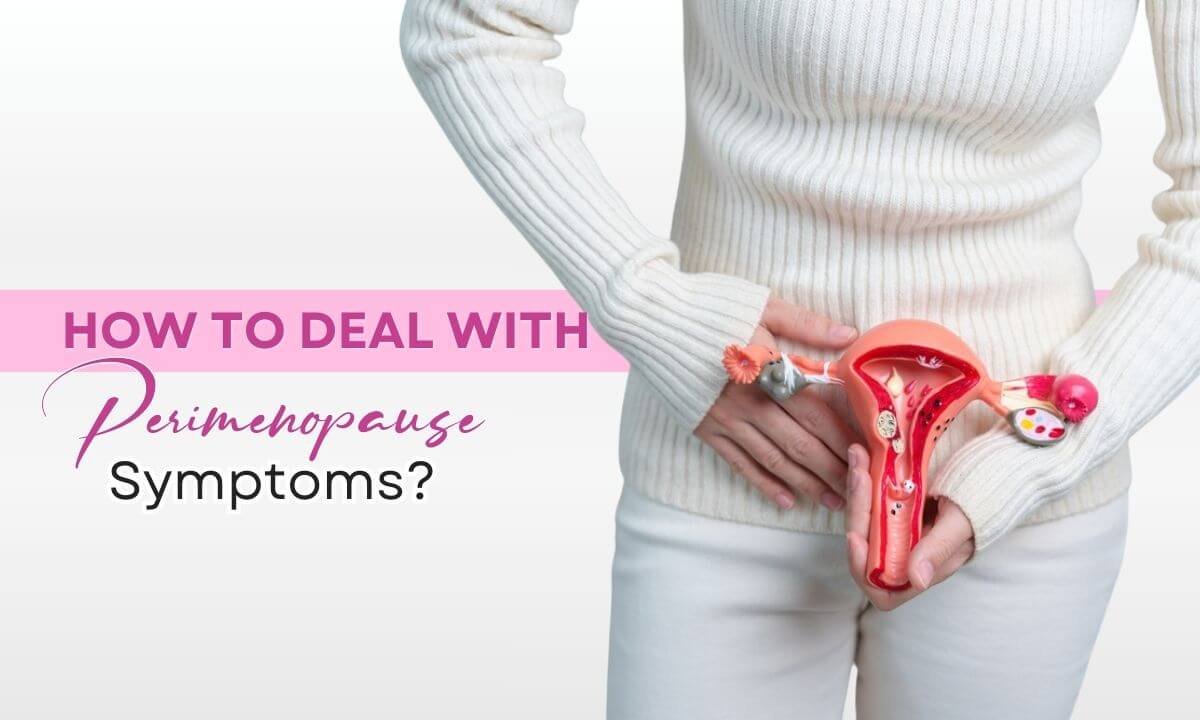
If you’ve found yourself gazing into the fridge at 3 AM in the middle of winter, or if your mood swings are so intense that even your shadow is keeping its distance—you aren’t alone. You are likely in perimenopause.
Think of it as “puberty in reverse.” It is a transition that no one really prepares you for. However, here is the positive side: you aren’t losing your mind, and you certainly aren’t required to just “grin and bear it.”
I am Dr. Parima Dixit, a gynecologist in Gurgaon. Every day, I see women who are blindsided by these hormonal shifts. While the transition to menopause is natural, “natural” doesn’t have to mean “miserable.” Let’s discuss how to deal with perimenopause using scientific reasoning, medical logic, and a healthy dose of grace.
What Exactly is Perimenopause and How Does It Start?
Perimenopause marks the transitional period which leads to menopausal changes. Consider it the culmination to your birth years. In this period your ovaries slowly reduce the amount of estrogen they produce.
But, they don’t manage this smoothly. Instead of a steady decrease, your hormone levels fluctuate as if you were the heart rate monitor is a tangled mess. The “hormonal ride” is what causes the signs we’ve all experienced but… actually most of us hate.
When Does the Perimenopause Transition Begin?
Most women notice changes around their late 40s to mid-to-late 40s, but some may begin at the end of their 30s. The duration of this phase can range between two and 10 years. Menopausal women are officially diagnosed after you’ve been for 12 consecutive years without menstrual cycle. If you’re experiencing irregular menstrual cycles, they could be the first indication of this change.
Identifying Common Symptoms to Know How To Deal With Perimenopause
Menopausal symptoms are similar to a box of chocolates, except that every one makes you feel sweaty or cranky. As per WHO World Health Organization (WHO), the most frequent indicators include:
- Irregular Periods This is typically the first indicator. Your cycle may become shorter or longer, but it could also get heavier or even lighter.
- Hot Flashes and night Sweats: Sudden waves of heat that will make you want to relocate into the Arctic.
- Sleep disturbances: Often caused by sweaty nights, but occasionally it’s simply insomnia.
- mood changes: Irritability, anxiety or the feeling that are reminiscent of “brain cloud.”
- weight gain: Specifically around the midsection (the “menopause belly”).
- Vaginal Dryness Low estrogen levels may cause discomfort during sexual contact.
1. Mastering the Heat: How To Deal With Perimenopause Hot Flashes
Hot flashes are the most common symptom of perimenopausal. They are caused by the fact that your decreasing estrogen level affects your body’s temperature (the hypothalamus).
A Logical Approach:
- Identify triggers: Caffeine, spicy food items, alcohol as well as anxiety are among triggers for stress, alcohol and the “Big Four” triggers. Keep a log for a week in order to determine the triggers that set yours off.
- Dress in layers: Wear natural fibers such as silk or cotton. If a flash strikes the skin, it can shed layers more quickly than lizards shed skin.
- The “Chill” fact: Have a bottle of cold water nearby. Take a sip when you notice the warmth rising.
Dr. Parima’s Advice: If you’re suffering from hot flashes that have been affecting your life, speak to me about low dose hormone therapy or non-hormonal drugs. There is no need to be silent about it.
2. Reclaiming Your Sleep During the Menopausal Transition
Sleep deprivation is a major cause of problems. It reduces your concentration, intensifies the craving for sugar, and impedes your brain.
How to Improve Your Sleep Hygiene
- Keep the Room Cool: Your bedroom should be like a wine cellar. 18degC is the ideal temperature for the majority.
- Limit screen time: The blue light emanating from your phone is akin to sunlight, signalling your brain that you should stay awake. Change to reading at least 60 minutes before going to going to bed.
- Continuous Timing You go to sleep and rise at the same time each day. Yes, even on weekends.
3. Nutrition: How To Deal With Perimenopause Through Diet
It is not possible to have the same diet at 45 that you did at the age of 25. Your metabolism is declining and your bones need more support.
Concentrate on these Key Areas:
- Calcium as well as Vitamin D: As estrogen decreases the bone density declines. Add yogurt, leafy vegetables as well as Sardines. If you’re located in Gurgaon it is likely that you aren’t getting enough sunlight, therefore taking a look at Vitamin D amounts is essential.
- Fiber is your friend: It helps stabilize blood sugar levels and keeps you full. Think of beans, oats and lentils.
- Protein Power In order to fight the loss of muscle (sarcopenia) make sure that each meal contains proteins such as eggs, lean meat or paneer.
For more specific advice regarding how nutrition impacts your cycle, check out my article on the relationship between diet and health for reproductive.
4. Movement and Exercise: The Best Medicine for Hormonal Shifts
Perimenopausal exercise isn’t just about glam in jeans. It’s also about health for your heart and a better mood.
- Strength Training The strength training is not negotiable. Weight training helps keep bone density in check and boosts metabolism.
- Yoga and meditation: They have been scientifically proven to lower the levels of cortisol (the chemical that makes you feel stressed).
- Exercise: Keep it moderate. A stroll through Leisure Valley Park is often more beneficial to your hormones than the intense workouts that stress you out.
5. Medical Interventions: How To Deal With Perimenopause Using HRT
Hormone Replacement Therapy (HRT) has been a topic of debate for a long time, but according to recent research by sources most well-nourished women, its benefits of HRT often outweigh the dangers.
What is HRT?
- Stabilizes progesterone and estrogen levels.
- It virtually removes hot flashes virtually completely.
- Guards against the loss of bone (osteoporosis).
If you’re worried over hormonal fluctuations, I offer PCOS and hormone disorder treatment specifically tailored to your requirements.
Why Gurgaon Women Face Unique Challenges with Perimenopause
Living in a frantic city like Gurgaon creates stress levels. The long commutes, the high-pressure work, and the environmental elements can cause symptoms to worsen. As an expert in Gurgaon I frequently observe “Burnout” hidden under the guise of “Perimenopause.” It is important to differentiate between these two.
When To See a Doctor for Expert Advice on How To Deal With Perimenopause
Perimenopausal women are not unusual but certain “red red” need to be addressed immediately in my medical clinic.
- Very Heavy Bleeding If you’re changing pads every hour.
- bleeding between periods: Spots after sexual activity or in between cycles.
- Common Periods The cycles are always shorter than 21 calendar days between them.
Summary: Your Perimenopause Checklist
| Category | Action Plan |
| Diet | Enhance calcium and protein Reduce sugar and caffeine. |
| Physical | 30 minutes of exercise every day; also include exercises for weights. |
| Medical | Plan an annual check-up to check the levels of hormones. |
About Dr. Parima Dixit
Dr. Parima Dixit is a well-known and reliable Gynecologist Obstetrician, Gynecologist, and the Infertility specialist of Gurgaon with more than 15 years of experience in the field. She is a specialist in high-risk pregnancy as well as advanced laparoscopic surgeries and menopausal health.
- Location: Fortis Memorial Research Institute (FMRI), Sector 44, Gurugram, Haryana 122003.
Sources & Trusted References:
- World Health Organization (WHO) — Menopause Fact Sheet
- The Menopause Society (NAMS)
- Indian Menopause Society (IMS)
Content Approved by: Dr. Parima Dixit, MBBS, MS (OBGYN), Infertility Specialist.