If you have been searching for PCOS treatment in Gurgaon or the best gynecologist for PCOS near me, you are not alone. Polycystic Ovary Syndrome (PCOS) is one of the most common hormonal disorders affecting women today. In India, it affects 1 in 5 women of reproductive age, and the numbers are rising.
As a practicing gynecologist in Gurgaon with over a decade of experience in hormonal imbalance and women’s reproductive health, I have helped hundreds of women understand, manage, and overcome PCOS. This guide is for you — whether you were just diagnosed, have been struggling for years, or are simply trying to understand what’s happening in your body.
What is PCOS? Understanding Polycystic Ovary Syndrome
PCOS (Polycystic Ovary Syndrome) is a hormonal disorder in which the ovaries produce excess androgens, disrupting the normal menstrual cycle. Here is a quick overview:
| PCOS — At a Glance | Details |
| Full Form | Polycystic Ovary Syndrome |
| Who it affects | Women of reproductive age (15–45 years) |
| Prevalence in India | 1 in 5 women |
| Core problem | Hormonal imbalance — excess androgens disrupt ovulation |
| Key symptoms | Irregular periods, acne, weight gain, excess hair growth |
| Fertility impact | Leading cause of infertility — but highly treatable |
| Curable? | Not curable, but very effectively managed |
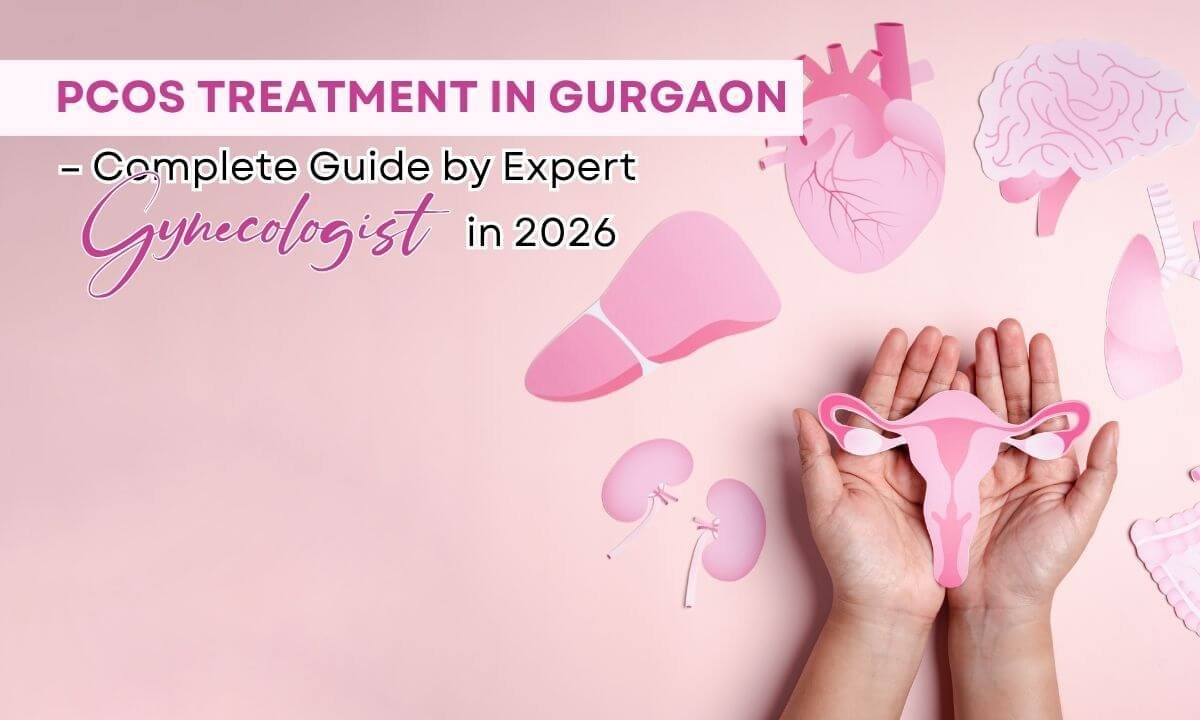
PCOS involves ovarian dysfunction and hormonal imbalance that requires proper medical attention. In this guide, we cover everything you need to know about PCOS — from causes to complete treatment options.
What Causes PCOS? Understanding the Root of Hormonal Imbalance
PCOS is not caused by one single factor — it is a complex condition with multiple contributing causes:
1. Insulin Resistance
Over 70% of women with PCOS have insulin resistance — meaning the body’s cells don’t respond properly to insulin. This leads to elevated blood sugar, which triggers the ovaries to produce excess androgens (male hormones like testosterone). This is the most common driver of hormonal imbalance in PCOS.
2. Excess Androgen Production
Elevated androgens cause many hallmark PCOS symptoms — excessive facial or body hair (hirsutism), acne, and scalp hair thinning. They also interfere with ovulation, causing irregular periods.
3. Genetic Predisposition
PCOS runs in families. If your mother or sister has PCOS, your risk is significantly higher. Genetic factors influence how the ovaries respond to hormones and how the body manages insulin.
4. Chronic Inflammation
Low-grade chronic inflammation — often worsened by a poor diet, stress, and inactivity — can stimulate the adrenal glands and ovaries to produce more androgens.
5. Lifestyle Factors
Sedentary lifestyle, high-sugar diets, chronic stress, and disrupted sleep patterns do not cause PCOS on their own, but they significantly worsen the hormonal imbalance — and are within your control to change.
PCOS Symptoms You Should Not Ignore
Many women dismiss PCOS symptoms as “normal” or “just stress.” Here is what to watch for:
- Irregular, infrequent, or absent periods (fewer than 8 cycles per year)
- Heavy or prolonged menstrual bleeding when periods do occur
- Acne that doesn’t respond to regular skincare
- Unwanted hair growth on face, chin, chest, or abdomen
- Thinning hair or male-pattern hair loss (androgenic alopecia)
- Unexplained weight gain — especially belly fat
- Dark patches of skin (acanthosis nigricans) on neck, underarms, or groin
- Skin tags in the armpit or neck area
- Chronic fatigue and low energy
- Difficulty conceiving or recurrent pregnancy loss
- Mood swings, anxiety, depression, or brain fog
How is PCOS Diagnosed? (What to Expect at Your Appointment)
As your gynecologist, my approach to diagnosing PCOS involves three key components:
- Detailed Medical History – I will ask about your menstrual cycle, symptoms, family history, weight changes, and lifestyle.
- Physical Examination – Including BMI, blood pressure, and signs of excess androgen (skin, hair).
- Investigations :
Pelvic Ultrasound – To check for cystic follicles on the ovaries.
Blood Tests – LH, FSH, testosterone, AMH, insulin, fasting blood glucose, thyroid panel.
Lipid Profile – To assess cardiovascular risk.
Diagnosis is confirmed using the Rotterdam Criteria — at least 2 of the following 3 must be present: irregular ovulation, elevated androgen levels, and polycystic ovaries on ultrasound. Other conditions like thyroid disorders and hyperprolactinemia are ruled out first.
PCOS Treatment in Gurgaon – A Comprehensive, Personalised Approach
There is no one-size-fits-all treatment for PCOS. As a specialist in PCOS treatment in Gurgaon, I create an individualised plan based on your symptoms, health goals, and whether or not you are planning a pregnancy. Here is a complete breakdown of all available treatment options:
Step 1: Lifestyle Therapy (The Most Powerful Treatment)
Research consistently shows that lifestyle modification is the single most effective first-line treatment for PCOS — even more powerful than medication alone.
- Diet: Follow a low-GI (Glycemic Index) diet rich in vegetables, legumes, whole grains, and lean protein. Avoid processed foods, refined carbohydrates, and excess sugar.
- Exercise: At least 150 minutes of moderate aerobic activity per week — brisk walking, cycling, yoga, or swimming. Strength training is especially beneficial for insulin resistance.
- Weight Management: Losing just 5–10% of body weight can restore ovulation, improve periods, and reduce androgen levels in overweight women with PCOS.
- Sleep Hygiene: Poor sleep worsens cortisol and insulin resistance. Aim for 7–8 hours of quality sleep nightly.
- Stress Reduction: Chronic stress elevates cortisol, which worsens hormonal imbalance. Mindfulness, meditation, and regular breaks are essential.
Step 2: Hormonal Medications for PCOS
When lifestyle changes alone are insufficient, medications are prescribed based on your primary concerns:
- Combined Oral Contraceptive Pills (OCPs) – Regulate periods, reduce androgen levels, treat acne and hirsutism. Not suitable for women trying to conceive.
- Anti-androgens (Spironolactone, Flutamide) – Reduce excess hair growth and acne by blocking androgen receptors.
- Progestins – Given cyclically to women who don’t want contraception but need period regulation.
- Metformin – An insulin-sensitizing drug that improves metabolic function, regulates periods, and can support weight loss.
- Inositol (Myo-Inositol + D-Chiro-Inositol) – A well-researched supplement that improves insulin sensitivity and ovarian function with fewer side effects.
Step 3: PCOS and Fertility Treatment in Gurgaon
For women with PCOS who wish to conceive, the treatment journey may involve:
- Ovulation Induction – Letrozole (preferred) or Clomiphene Citrate tablets to stimulate egg release
- Trigger Injection (hCG) – To time ovulation precisely for planned intercourse or IUI
- Intrauterine Insemination (IUI) – When ovulation induction alone is insufficient
- In Vitro Fertilisation (IVF) – For cases where other treatments have not worked; special protocols are used to minimise the risk of Ovarian Hyperstimulation Syndrome (OHSS) in PCOS patients
- Laparoscopic Ovarian Drilling (LOD) – A minimally invasive surgical option to reduce androgen-producing tissue in the ovaries; typically considered when medication has failed
Step 4: Skin & Hair Management in PCOS
Acne, unwanted hair, and hair loss are among the most distressing PCOS symptoms. Treatment options include:
- Topical treatments – Retinoids, benzoyl peroxide, or clindamycin for acne
- Laser hair reduction – A long-term solution for facial/body hair
- Minoxidil – For scalp hair loss (used topically)
- Anti-androgen therapy – Oral medications that slow excessive hair growth
Long-Term Health Risks of Untreated PCOS – Why Early Treatment Matters
PCOS is not just about periods and fertility. Unmanaged PCOS increases the risk of serious long-term health conditions:
- Type 2 Diabetes – Women with PCOS are 3–4x more likely to develop diabetes due to insulin resistance
- Cardiovascular Disease – Higher risk of high blood pressure, high cholesterol, and heart disease
- Endometrial Cancer – Irregular or absent periods cause the uterine lining to thicken, raising cancer risk
- Mental Health Issues – Anxiety, depression, and body image concerns are significantly more common in PCOS
- Regular monitoring — including annual blood glucose, lipid profile, blood pressure checks, and
PCOS Diet Tips – What to Eat and What to Avoid
Diet plays a massive role in managing PCOS, particularly for controlling insulin levels and androgens. Here’s a practical guide:
✅ Foods to Include
- High-fibre vegetables: spinach, broccoli, cauliflower, carrots
- Whole grains: oats, brown rice, ragi, quinoa
- Lean protein: lentils, eggs, chicken, fish, tofu
- Healthy fats: avocado, nuts, olive oil, ghee (in moderation)
- Anti-inflammatory foods: turmeric, ginger, green tea, berries
❌ Foods to Limit or Avoid
- Refined carbohydrates: white bread, maida, pastries, white rice
- Sugary drinks: sodas, packaged juices, energy drinks
- Processed and fried foods
- Full-fat dairy (if sensitive — some women do well with dairy, others don’t)
- Alcohol and excess caffeine
When Should You See a PCOS Doctor in Gurgaon?
You should consult a gynecologist if you experience any of the following:
- Your periods are irregular, missed, or very heavy
- You have been trying to conceive for 6–12 months without success
- You have visible hair growth on your face, chin, or chest
- You are experiencing unexplained weight gain or difficulty losing weight
- You have been told your blood sugar or insulin levels are elevated
- You feel persistently fatigued, anxious, or depressed
- You have a family history of PCOS, diabetes, or heart disease
Conclusion
PCOS is complex, but it is manageable — and you deserve personalised, compassionate care. Whether you are dealing with irregular periods, hormonal imbalance, acne, weight gain, or fertility challenges, the right treatment plan can help you feel better, live healthier, and achieve your goals.
As a specialist in PCOS treatment in Gurgaon, Dr. Parima Dixit offers evidence-based, holistic care tailored to every woman’s unique needs. From your first consultation to long-term follow-up, you will never navigate PCOS alone.
You can also find Dr. Parima Dixit on Google — check reviews, clinic location, and book your visit directly through her Google Business Profile.
Q.1 Can PCOS be cured permanently?
PCOS cannot be permanently cured, but it can be very effectively managed. Many women with PCOS live symptom-free with the right lifestyle and medical support.
Q.2 Can I get pregnant if I have PCOS?
Yes. PCOS is one of the leading causes of infertility, but it is also one of the most treatable. With appropriate ovulation induction or fertility treatment, the majority of women with PCOS can conceive.
Q.3 Is PCOS related to thyroid problems?
PCOS and thyroid disorders (especially hypothyroidism) often coexist and share similar symptoms. Your gynecologist will test your thyroid function as part of the PCOS workup.
Q.4 Will I have PCOS after menopause?
PCOS symptoms often improve after menopause as hormone levels change, but the metabolic risks (diabetes, cardiovascular disease) remain. Continued monitoring is important.
Q.5 How long does PCOS treatment take to show results?
This varies by treatment type and individual. Lifestyle changes can show improvement in 3–6 months. Medications can start working within 1–3 cycles. Patience and consistency are key.